

Get Your Crash Course In Dependable
Longmont, CO Roof Venting
Reliable Solutions That Keep
Your Roof In Peak Condition
Chances are, you haven’t given roof ventilation for your Longmont, CO home much thought. The term “roof vent” can have many different meanings. When we talk about roof vents, we define them as a roofing implementation designed to remove hot, moist air out of your attic.
Roof venting is a critical component of your home’s roof, and it’s important to understand why. Most Denver Metro homes don’t have enough attic ventilation, which can increase your power use or even damage your property. Ensuring you have proper attic ventilation is an essential part of overall roof maintenance.
What Does Attic And Roof Ventilation Do?
Attic ventilation is an important part of the way air flows through your attic, pushing it through the area instead of just letting it sit stagnantly. Roof vents help outside air pass through and out of your attic, removing excess heat and moisture from the air inside.
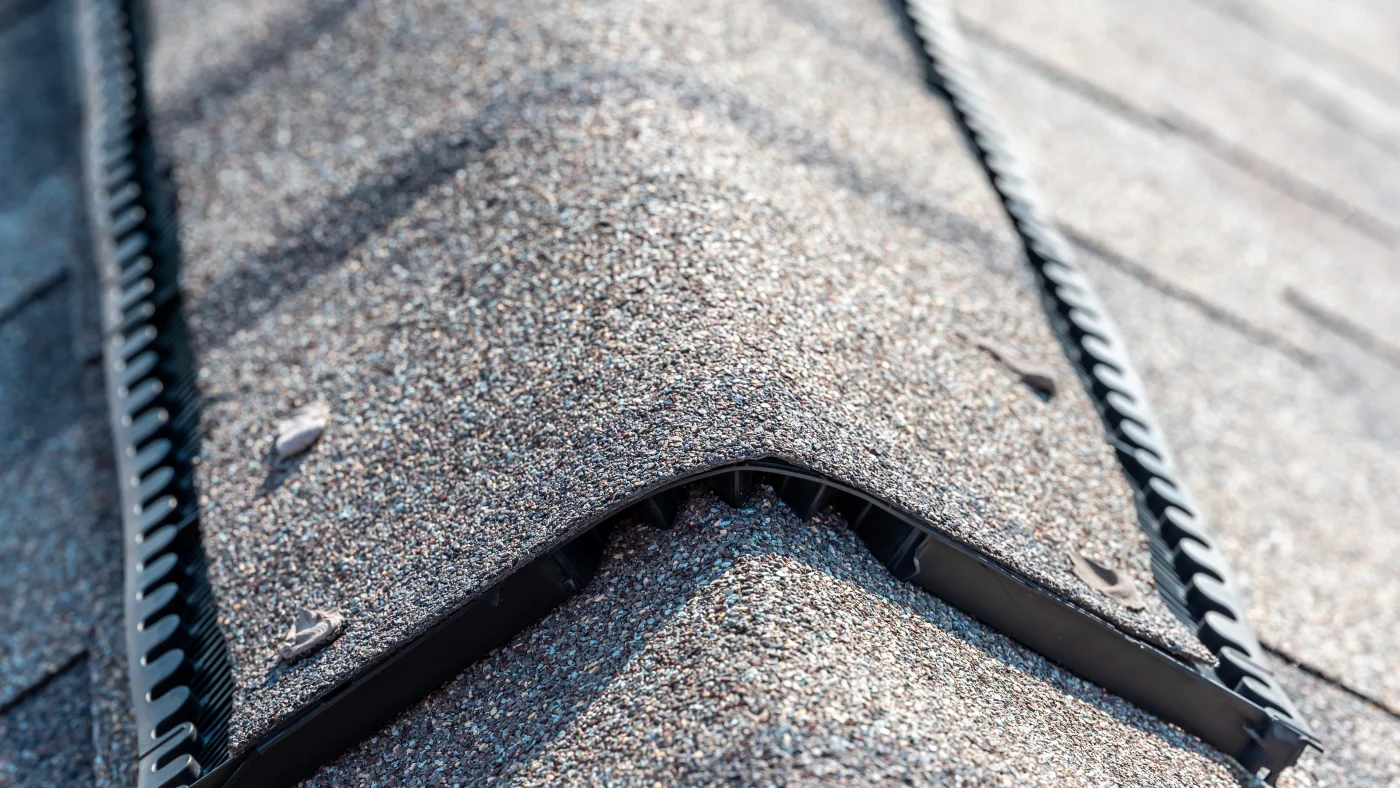
Air is taken in through your roof soffits and eaves, exhausted through the roof at the ridge cap or a roof vent. This creates the ideal air balance in the upper crawl space of your home, playing a crucial role in keeping your home comfortable and enhancing the quality of living indoors.
Poor Roof Ventilation Is A Problem
The majority of homes lack proper roofing ventilation, and most homeowners are unaware of the need for these improvements. The FHA recommends that homes have one square foot of attic ventilation (with both air intakes and exhaust) for every 300 square feet of attic space that your home has.
Lacking proper roofing ventilation poses a laundry list of hazards for an unassuming homeowner. Without proper ventilation, your energy bills can go through the roof (pun intended) and can have a significant impact on the lifespan of your roofing products.
Superheated Attic Space
A major side effect of poor roof ventilation is a superheated attic. Lacking significant airflow, the air trapped in your attic heats up from the sun beating down on your roof.
The heat transfers through the attic floors, warming the rooms of your home and increasing your energy bills as your fans and air conditioning work harder.
Damaged Roofing Materials
Another major concern with inadequate roof venting (and, frankly, superheated attics as well) is the lifespan of your roof’s shingles. The heat from your attic doesn’t just transfer down into your home’s living space – it will also transfer back to the roofing system itself.
Overheating your roof shingles essentially fries them, causing wear and tear as well as decreasing their lifespan.
Damaged Home Interior
The heat transfer process of a superheated attic damages a lot more than your roof and costs much more than anything your energy bills could charge. It can also warp the wood framing in your attic, warping walls and door frames. The heat in your attic can also transfer down your walls, causing blistering of paint and wallpaper.
Excess Condensation
Summer weather isn’t the only thing that presents a threat to a poorly ventilated attic. Cooler weather presents a condensation hazard from everyday activities, such as drying laundry.
The condensation can (and will) drip down onto your insulation, which renders it less effective. This process promotes the growth of mold and mildew in attics, crawl spaces, and within your attic insulation, presenting a health hazard.
The condensation or excess moisture that can form on your eaves and soffits drives moisture back up under your roof, which can form leak-causing ice dams. Proper roof ventilation keeps the air moving through your attic, moving moisture out of the space before it can condense.
Types of Roof Venting
In order to understand what your roofing needs are, it’s a good idea to know what kind of roofing vents are installed on your roof. There are two different kinds of systems that you should consider before you install roof vents: passive roof vents and active roof vents.
Box Vents
Box vents are also known as either low-profile vents, louvers, flat vents, or turtle vents. This is the most common roof vent that we see on residential roofs. This roof venting has a low profile and typically features a slant-back design to guard against weather infiltration. They typically come in either aluminum or galvanized steel, providing between 50 and 60 square inches of net free ventilation area. Installation is pretty easy; most products include pre-drilled holes for nailing.
When installing low-profile roof vents, they must be installed according to the square footage of the attic. Anything under 1,000 square feet of attic space requires only 4 ventilation spaces in the roof deck, while a 3,000-square-foot attic can require as many as 12.
Ridge Vents
Ridge vents run the entire length of your roof’s peak and blend in seamlessly with the shingles on your roof. These vents offer several advantages over the previous low-profile/box roof venting.
These vents blend seamlessly into the roofline, creating a more attractive and aesthetically pleasing appearance. They are more efficient at achieving a balanced airflow than other products can deliver. Ridge vents are similar to louvered vents in that they are designed to allow air to flow through, keeping wildlife and pests out.
Roof Turbine Vents
Also known as metal pot vents or roof exhaust fans, the roof turbine vent offers key advantages in specific situations. They’re massive, moving huge amounts of air through the attic in windy conditions.
With as little as 5 miles per hour of wind, this roof venting is capable of moving 347 cubic feet of air per minute through your attic space. Your results are even more impressive when the wind picks up a little.
Since airflow is strong with these, it’s especially important that soffit vents are kept clear of attic insulation, allowing the same amount of air that enters the attic to be expelled. If this fails to happen, the turbine will begin to pull air from the interior of your home, wasting energy if you’ve already heated or cooled your living space.
Active Roof Vents
Utilizing powered vents on the roof can help provide homeowners with additional benefits (like savings on their energy bills!) This roof venting can quickly expel built-up hot air lingering in your attic during the summer.
This allows your cooling system to work less to maintain a comfortable temperature in your house, regardless of the outside temperature.
However, the electric-powered models can also defeat the purpose of reducing energy consumption, as they require electricity to operate. Another drawback is that they won’t operate at all during a power outage, but your friendly local roofing contractor can help you locate solar-powered products instead.
The best decision you can make for your roof and your home is to speak directly with a trustworthy roofing contractor near you about the roof vent options that are best for your home. Contact Columbine Roofing & Solar today for a free inspection and quote.