

Your Definitive Guide To Different Residential
Roof Replacements In Longmont, CO
Find The Best Roof Type And
Material For Your Home
A homeowner’s job is never entirely done! Our to-do list never seems to end, but maintaining our residential roofing in Longmont, CO should be a priority. Your roof protects your home – your castle. And you want to make sure that the castle doesn’t leak, leaving you in a moat.
The integrity of your roof is nuanced, meaning that there are several different factors you need to take into consideration when not only buying a home, but also what sort of roofing materials you use when you get a residential roof replacement.
The type of roof and roofing materials selected largely depend on the elements and environment of your region. By the end of this guide, you should have a good, solid idea of what residential roof replacement builds are right for your area and what roofing materials are best for your home.
The Different Types Of Residential Roofing Builds
Whether you’re building a new home or retrofitting an older house, choosing the right type of roof build is probably one of the most important decisions you can make.
Your roof’s shape is essential for the overall outdoor aesthetic of your home, and that’s just scraping the surface. A roof can make your home more resilient and energy-efficient, and it can also provide additional living space.
Let’s talk about the most popular roof types that we tend to see on homes:
Gable Roof
One of the most popular roof types in the US, gable roofs are also known as pitched or peaked roofs. Their triangle shape is a dead giveaway, as they are genuinely part of classic American home design.
Easily shedding rain and snow is one of the many benefits that gable roofs have to offer. Their peaks provide more space in the attic, or you can opt for vaulted ceilings, providing more ventilation. Their same triangle build is typically cheaper than more complex designs and much easier to build.
However, if you opt for a gable roof for your home, there are some concerns. Living in high-wind areas can be problematic for this roof build.
If the gable frames are not properly constructed and there’s a lack of proper support, the roof can be in danger of collapse. Too much of an overhang presents hazards in high wind areas, a high risk of uplift exists, and can detach a roof from the walls of your home.
Hip Roof
A hip roof is sloped on all four sides, providing more protection and stability in windy areas than the stereotypical gable roof. The sides are all equal lengths and come together at the top to create a ridge. If you’re in a storm-prone or high wind area, using a roof pitch of 4/12-6/12 (18.5 to 26.5 degrees) is recommended.
The hip roof type provides the same general aesthetic and benefit as a gable roof, but affords the home more protection in wind or hurricane weather. This roof type is excellent in snowy areas as well, as the snow melts off easily and water doesn’t pool.
However, hip roofs are not without their drawbacks. They’re more costly to construct than the gable roof.
It’s a more complicated roof design and requires more materials during construction. If you decide to add a dormer, it can also be potentially problematic. Dormers equal more seams, and more seams mean that you have more opportunities for water to find its way in, especially if a roof is not installed correctly.
Mansard Roof
Mansard roofs (or French roofs) are four-sided roofs with a double slope on each side that form a low-pitched, sloping roof when they meet. This roof features a lower slope that is significantly steeper than the upper one, creating a unique addition to your living space. The sides of mansard roofs can either be flat or sloped, depending on the style.
Mansard roofs are perfect in situations where you want to add to the home down the road. They create a great deal of extra living space, allowing you extra attic space or even more living quarters (called garrets).
However, the low-pitched portion of a mansard roof isn’t ideal for snowy conditions. Sorry, Denver Metro… They are also more costly than other, more ‘traditional’ designs because of how embellished and detailed they are.
Gambrel Roof
Better known as a barn roof, the gambrel roof style shares similarities with the mansard in that it features two distinct slopes. It differs from the mansard as the roof only has two sides instead of four.
Also similar to the mansard, the gambrel has a steep, almost vertical slope with an upper slope that is pitched much lower. These aren’t just for barns and can also be seen on farmhouses, cabins, and even Dutch Colonial-style homes.
Much like its brethren, the mansard, the gambrel has the potential for extra living space in an attic, garret, or loft and is simple to frame.
This particular roof type uses just two roof beams joined with gusset joints. With such a simple construction, it reduces the materials used and is a total cost saver during the building process.
Gambrel roofs are not suggested for areas prone to high winds or that experience a lot of snow during winter. The naturally open design of a gambrel roof creates a risk of collapse under extreme weather conditions.
If you opt for a gambrel roof, take extra care to ensure that your roof is constructed correctly. This includes waterproofing at the ridges and regular maintenance. It’s advised to have gambrel roofs checked every year for damage from heavy rain, wind, or snow.
The Different Types Of Residential
Roof Replacement Shingles
Now that you’ve decided on your roof design, it’s important to discuss the different types of roofing materials that will protect your home from the elements. There are many different kinds of roofing shingles, and each type has its benefits and unique characteristics.
Asphalt Shingles
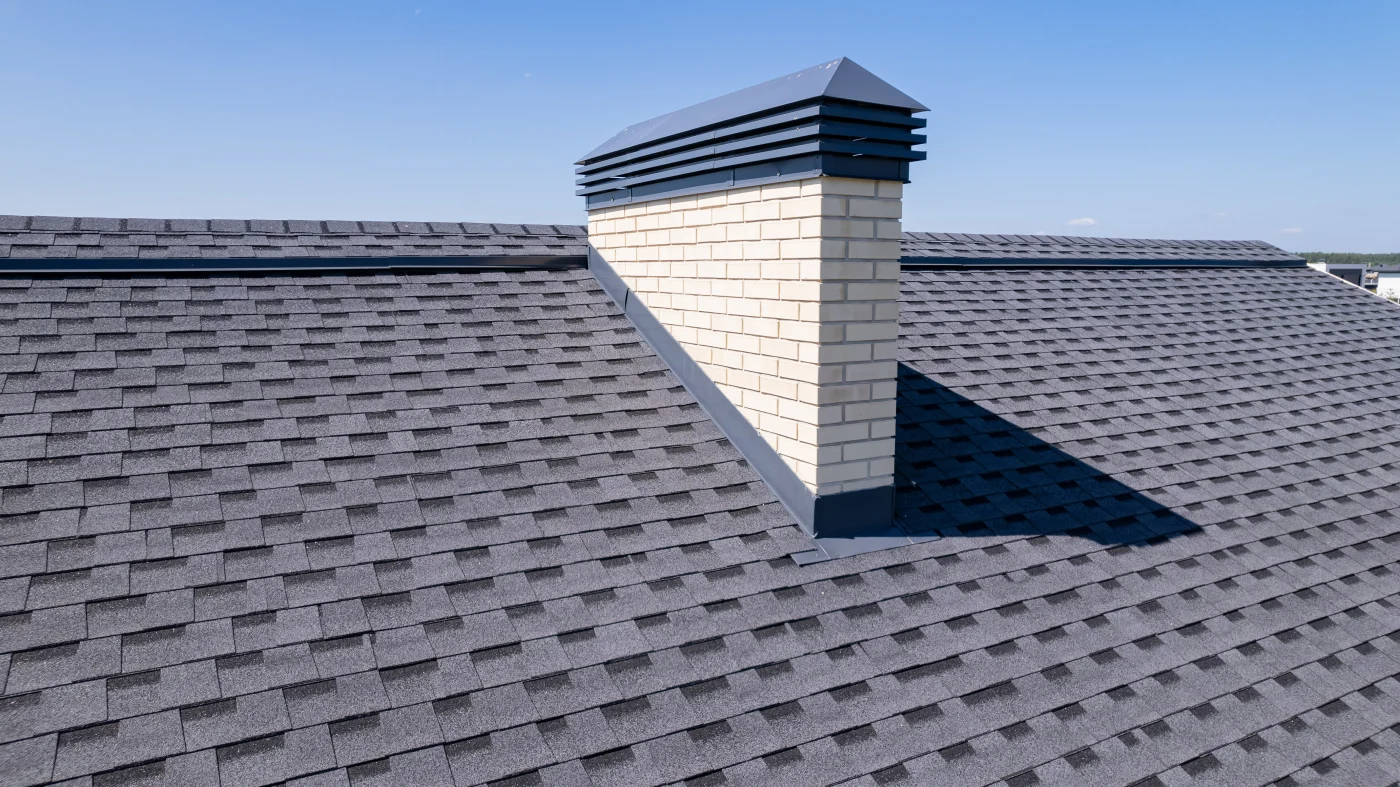
Asphalt shingles are easily the most popular and affordable roofing material in the United States. One of the most significant drawbacks of asphalt shingles, however, is that they don’t fare well in areas that experience severe temperature fluctuations.
This increases the likelihood that shingles may crack in these areas. In temperate climates, they still run the risk of cracking because they are made from moderately strong materials. Asphalt shingles are typically used on roof types with steep slopes – they are not suitable for flat roof types.
Repairing asphalt shingles is generally a straightforward process. When you hire a professional roofing contractor like us at Columbine Roofing & Solar, you’re guaranteed exceptional results that last the first time.
Tile Shingles
If you’re looking for style, you’ve found it. Tile shingles are often featured in Spanish or Mediterranean-style homes and are available in a variety of shapes. They’re typically fired in lighter colors, which keeps the home cooler.
While visually appealing and durable (some can last 80 years or more), the type of materials used to make tile shingles is expensive, and the roof cost is not for the faint of heart.
As this roof is expensive, it can also be dangerous. It may be too heavy for your roof, and it’s essential to get a licensed roofing contractor to evaluate the structural integrity/safety of your home before installing a tile shingle roof.
Repairing tile shingles is vital for maintaining the integrity of your roof. Common problems include cracks, leaks, holes, or broken tiles. To fix your roof, you can fill the small cracks or holes with plastic roofing cement or replace the affected tiles entirely.
Slate Shingles
Slate shingles are hardy and long-lasting. This roofing material is known to last anywhere from 80 to 100 years, offering some of the best water and damage resistance properties among roofs.
Slate shingles come in a variety of colors and are ideal for cold winter climates. However, don’t get too excited. Slate shingles are pricey to install, expensive to repair, and are quite heavy (so they may not even be suitable for your home).
Owning a slate roof is a commitment. Homeowners must regularly inspect flashing and shingles, as both may need replacing. Slate shingles are not for the DIY’er, as these shingles are likely too heavy without professional intervention.
Questions About Residential Roofing
Types And Shingle Varieties?
You have some decisions to make when you are ready for a new roof. What you want to spend, where you live, and your level of commitment to repair and maintenance are all factors to take into consideration when you’re in the market for a new roof for your home.
That being said, no matter what materials you choose, make sure that you select a reputable roofing contractor like Columbine Roofing when you replace or repair your roof.
We always recommend consulting with an expert to discuss the various roof types and shingle options that best suit your home. When you consider style and energy efficiency, roofing professionals can help homeowners make the best choice possible for their desired style and budget.
So, if you’re ready to get a residential roof replacement for your home in Longmont, CO, contact Columbine Roofing & Solar today for a free estimate.